
Table of Contents
Mouth Ulcer Treatment in Rajkot – Sanjivani Dental Hospital
Mouth ulcers are a common yet painful oral condition that can interfere with daily activities like eating, speaking, and brushing. If you are experiencing recurrent mouth ulcers, burning sensation, or white/red sores inside your mouth, timely diagnosis and proper treatment are essential.
At Sanjivani Dental Hospital, Rajkot, we provide effective mouth ulcer diagnosis and treatment, combining clinical care with personalized home-care guidance. Our experienced dentists help identify the root cause of ulcers and recommend the right treatment to ensure fast healing and prevent recurrence.
What Is a Mouth Ulcer?
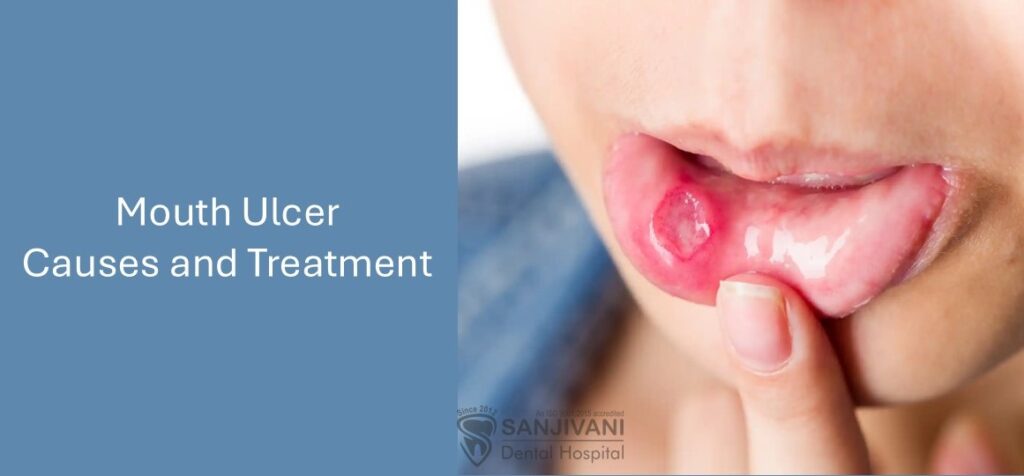
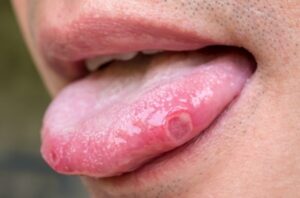
A mouth ulcer, also known as an oral ulcer or aphthous ulcer, is a small, painful sore that appears inside the mouth. It can develop on the inner cheeks, lips, tongue, gums, roof of the mouth, or at the base of the gums. Mouth ulcers are usually round or oval, with a white or yellow canter and a red, inflamed border.
While most mouth ulcers are not serious and heal on their own within 7–14 days, frequent or non-healing mouth ulcers may indicate an underlying dental or medical condition and should not be ignored.
Common Symptoms of Mouth Ulcers
Patients visiting Sanjivani Dental Hospital in Rajkot commonly report:
- Pain or burning sensation in the mouth
- Difficulty eating spicy or hot food
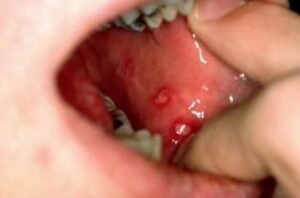
- Red or white sores inside the mouth
- Swelling around the ulcer area
- Tingling sensation before ulcer appears
- Bleeding in severe cases
- Fever or fatigue (rare cases)
Types of Mouth Ulcers
Understanding the type of mouth ulcer helps determine the right treatment.
- Minor Mouth Ulcers
- Small in size
- Heal within 7–10 days
- Most common type
- Major Mouth Ulcers
- Larger and deeper
- Painful and slow healing
- May leave scars
- Herpetiform Ulcers
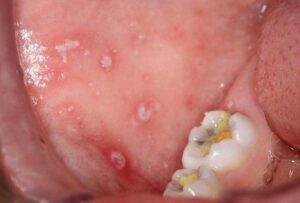
- Multiple tiny ulcers
- Often mistaken for herpes
- Extremely painful
Causes of Mouth Ulcers
Mouth ulcers can develop due to multiple reasons. Identifying the exact cause of mouth ulcer is crucial for long-term relief.
- Stress and Anxiety
Mental stress is one of the most common causes of mouth ulcers. Emotional stress weakens immunity, making the mouth tissues more prone to ulcers.
- Nutritional Deficiency
Deficiency of:
- Vitamin B12
- Iron
- Folic Acid
can lead to frequent mouth ulcers.
- Injury or Trauma
- Accidental biting of cheek or tongue
- Sharp tooth edges of wisdom tooth
- Ill-fitting dentures
- Aggressive brushing
- Spicy or Acidic Food
Excessive consumption of spicy, salty, or acidic foods can irritate oral tissues and trigger ulcers.
- Hormonal Changes
Hormonal imbalance during menstruation, pregnancy, or menopause can increase ulcer occurrence.
- Poor Oral Hygiene
Bacterial buildup due to poor dental hygiene can delay healing and worsen ulcers.
- Smoking or Tobacco Use
Tobacco products damage the oral lining and slow down healing.
- Medical Conditions
Chronic mouth ulcers may be associated with:
- Diabetes
- Celiac disease
- Autoimmune disorders
- Gastrointestinal problems
- Medication Side Effects
Certain antibiotics, painkillers, or chemotherapy drugs can cause mouth ulcers as a side effect.
When to Visit a Dentist for Mouth Ulcer in Rajkot?
You should consult a dentist at Sanjivani Dental Hospital, Rajkot if:
- Ulcer lasts more than 14 days
- Ulcers are recurring frequently
- Severe pain or swelling is present
- Difficulty in swallowing or speaking
- Fever or weight loss occurs
- Ulcer bleeds or increases in size
Early consultation helps rule out serious conditions and ensures faster recovery.
When to Visit a Dentist for Mouth Ulcer in Rajkot?
You should consult a dentist at Sanjivani Dental Hospital, Rajkot if:
- Ulcer lasts more than 14 days
- Ulcers are recurring frequently
- Severe pain or swelling is present
- Difficulty in swallowing or speaking
- Fever or weight loss occurs
- Ulcer bleeds or increases in size
Early consultation helps rule out serious conditions and ensures faster recovery.
Treatment of Mouth Ulcer
At Sanjivani Dental Hospital, we provide customized mouth ulcer treatment based on the underlying cause.
- Clinical Examination
Our dentist examines the ulcer’s size, location, and frequency and may recommend blood tests if required.
- Topical Medications
- Antiseptic gels
- Pain-relieving ointments
- Anti-inflammatory mouth gels
These help reduce pain, swelling, and speed up healing.
- Medicated Mouthwash
Prescribed mouthwashes reduce bacterial load and prevent infection.
- Vitamin & Mineral Supplements
For deficiency-related ulcers, supplements such as Vitamin B12, iron, or folic acid are recommended.
- Dental Corrections
Sharp teeth edges, faulty crowns, or dentures causing trauma are corrected to prevent repeated ulcers.
- Advanced Care (For Chronic Ulcers)
In severe or non-healing cases, further investigations and referrals may be advised.


